Installing sod in DFW comes down to three things: matching the grass to your yard, prepping our heavy clay soil correctly, and watering the right way for the first 30 days. Get those right and you get a lawn that lasts ten years. Get them wrong and you are paying to re-sod in two. This guide walks through every decision in the order you will actually face it, and links to a deep dive on each one.
It is written for homeowners across Carrollton, Plano, Frisco, Dallas, Addison, Lewisville, Coppell, Southlake, and the Park Cities who want sod installed once and done right.
Step 1: Choose the grass before you think about price
The most important decision is which grass goes down, and sunlight decides it more than anything else.
- Full sun (6 or more hours of direct light): Bermuda. It is the North Texas workhorse: fast to establish, heat tolerant, and quick to bounce back from foot traffic.
- Partial shade (3 to 5 hours): Palisades Zoysia. Softer underfoot and tougher long term, though slower to fill in.
- Heavy shade (under live oaks or along north-facing walls): St. Augustine. Bermuda simply will not survive real shade, no matter how it is marketed.
We compare all three in Bermuda vs Zoysia vs St. Augustine. If your yard is shady, read the best grass for a shady North Texas yard. Dog owners should start with the best grass for dogs in DFW. For a neighborhood-level read, we have guides for Carrollton, Plano, and Frisco.
Step 2: Install in the right window
Sod can go down almost any month in DFW, but the result depends heavily on timing. Late March through May is the sweet spot, when the soil is warm enough for fast rooting and the grass has a full season ahead of it. Early fall is a strong second choice. Summer works if you commit to the watering, and the deep cold of winter is usually money wasted.
The full month-by-month breakdown is in the best time to lay sod in North Texas.
Step 3: Know what it costs
Most full-yard sod installs in DFW run from about $1,200 for a small lawn to $14,000 or more for a large property, installed. The number depends on square footage, how much old grass has to come out, the grade, and the grass type. The cheapest bids almost always skip the soil prep that makes sod last.
See the real ranges in how much sod installation costs in DFW, and the bigger picture in our DFW landscaping cost guide.
Step 4: Measure so you order the right amount
Before anyone lays a single piece, you need to know your square footage. Measure each section of lawn (length times width), add them together, and add 5 to 10 percent for cuts and odd angles. One pallet of sod covers roughly 450 square feet.
We walk through it step by step in how much sod do I need.
Step 5: Soil prep is 80 percent of the job
This is the step that separates a lawn that lasts from one that fails. North Texas sits on Houston Black clay: heavy, slow to drain, and unforgiving. Old grass and weeds have to come out, the grade has to move water away from the house, and the surface often needs amending so roots can take hold. The sod itself is maybe 20 percent of a good install. The prep is the other 80.
Here is exactly how we do it: preparing North Texas clay soil for sod.
Step 6: Sod, seed, or hydroseed?
For almost every home lawn in DFW, sod is the right call. It gives you a finished lawn in a day and handles our clay and heat far better while it establishes. Seed and hydroseed are cheaper up front but struggle with our wind, runoff, and summer, and they take a full season to fill in.
We lay out the trade-offs in sod vs seed vs hydroseed in North Texas.
Step 7: The first 30 days decide everything
A perfect install can still fail in the first two weeks if the watering is wrong. New sod needs frequent, light watering to keep the soil beneath it moist while roots reach down, then a gradual taper. In summer heat the schedule is more aggressive. And most DFW cities allow a temporary watering variance for new sod, so you can stay within the rules.
Start with how to care for new sod in North Texas, then watering new sod in Texas summer heat and how Dallas watering restrictions affect new sod.
Step 8: If something goes wrong
New sod that turns brown is usually fixable if you catch it early. The cause is almost always one of four things: too little water, too much water, poor soil contact, or heat stress before the roots set. The first step is a simple tug test to tell stressed grass from dead grass.
Diagnose it here: why is my new sod turning brown or dying.
Step 9: Hire a crew that preps the soil
The fastest way to waste money on sod is to hire on price alone. The questions that matter are whether the crew grades and preps the soil, whether haul-away of the old grass is included, and whether you get a fixed written quote instead of a vague estimate.
Use this before you sign anything: how to choose a good sod company in DFW.
See a real install
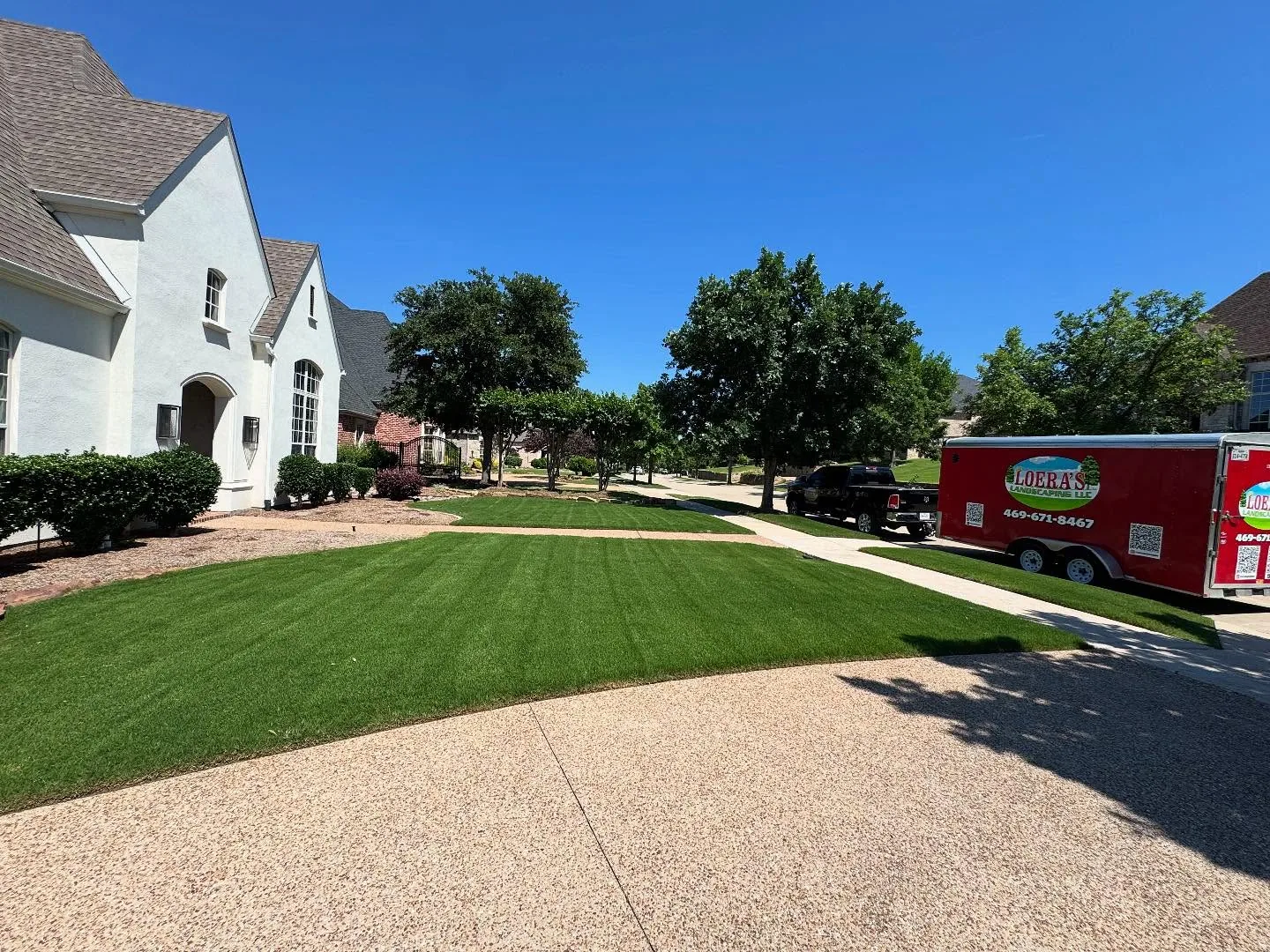
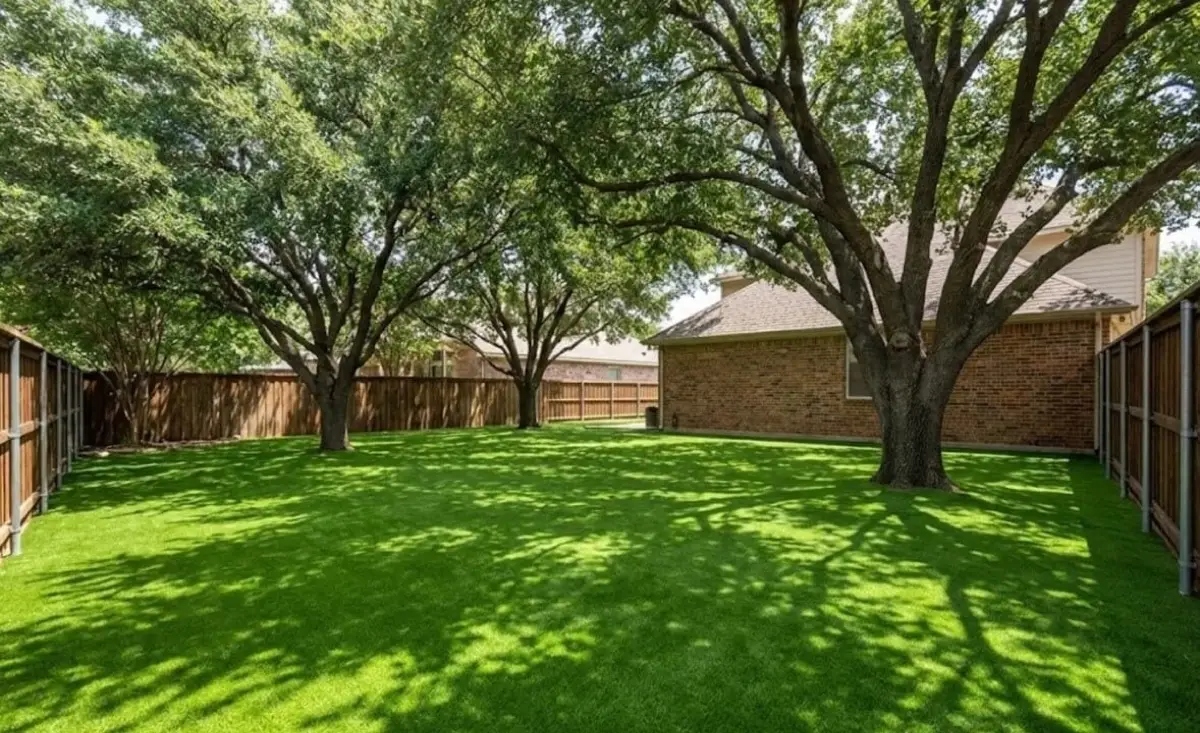
Want to see the difference a single day makes? Here is a fresh sod install, before and after, from a recent DFW project.
Ready to get started
Omar Loera founded Loera's Landscaping in 2010 and has personally laid Bermuda and Zoysia sod on hundreds of North Texas yards. We serve Carrollton, Plano, Frisco, Dallas, Addison, Lewisville, Coppell, Southlake, Highland Park, University Park, and Farmers Branch.